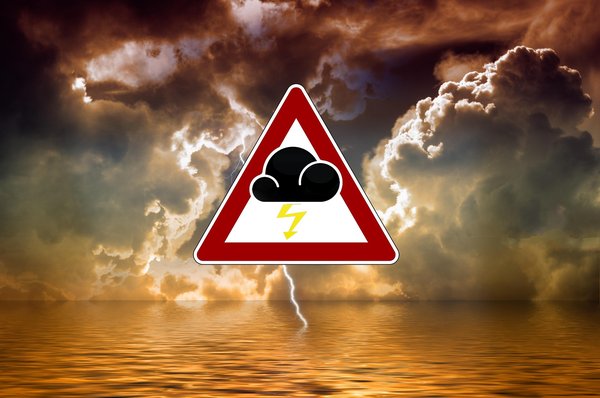
Winter weather can be unpredictable, and recent storms have shown how quickly conditions can change. Heavy rain, strong winds and flooding can affect homes, travel and essential services with little warning.
We want to help you stay safe, protect your home and feel prepared if severe weather is forecast. Coastal communities can be particularly affected by strong winds, heavy rain and flooding, so taking a few minutes to prepare your home can make a real difference.
Sign up for storm warnings
One of the best ways to prepare is to keep up to date with weather forecasts and warnings. The Met Office issues weather warnings for wind, rain, snow, ice, thunderstorms and other severe weather events.
You can:
- Check the latest weather warnings.
- Sign up to receive weather warning emails from the Met Office.
Sign Up for flood warnings
If your home is at risk of flooding, you can register for free flood alerts from the Environment Agency. These warnings can be sent by text message, phone call or email, helping you take action before flooding occurs.
You can:
- Sign up for flood warnings.
- Check current flood alerts and warnings.
If flooding Is expected
If flooding is forecast in your area:
- Keep important documents, prescriptions and valuable belongings in a safe, easily accessible place. If you live in an area at risk of flooding, consider storing important items on higher floors or shelves where possible.
- Avoid walking, cycling or driving through flood water.
- Keep children and pets away from flooded areas.
- Follow the advice of emergency services and local authorities.
- Flood water can be deeper and move faster than it appears, creating serious risks to people and vehicles.
Before a storm
Having a simple emergency plan can make a big difference if power supplies, transport or local services are disrupted.
Before severe weather arrives, consider taking a few practical steps:
- Secure garden furniture, bins and other loose outdoor items.
- Keep pathways, drains and gutters clear.
- Know where your stopcock, fuse box and utility meters are located.
- Charge mobile phones and power banks ahead of forecast storms.
- Keep a torch, batteries, medication and important phone numbers easily accessible.
If you notice any repairs that could become worse during severe weather, such as loose roof tiles, damaged windows, loose fencing or blocked gutters, please let us know as soon as possible. Reporting problems early helps us make properties safer and more resilient before storms arrive.
You can report repairs or contact us by calling 01209 200200 or using the My Coastline app.
During storms and high winds
Strong winds can bring down trees, fences and power lines.
To stay safe:
- Remain indoors where possible.
- Stay away from windows during periods of severe wind.
- Do not touch fallen power cables or damaged electrical equipment.
- Only travel if necessary and check conditions before setting off.
Looking out for others
Severe weather can be particularly challenging for older residents, people with health conditions and those living alone. If it is safe to do so, consider checking in on neighbours, friends or family members who may need extra support.
Reporting storm damage
If severe weather damages your home, please contact us either via phone on 01209 200200 or the My Coastline app so we can assess the situation and provide support where needed.
In an emergency
- If there is an immediate danger to life, call 999.
- For power cuts, contact your electricity network operator or call 105.
- For flooding emergencies, follow guidance from the emergency services and local authorities.
Finally, here's a winter weather checklist
- Check the latest weather warnings.
- Sign up for flood alerts (if your area is at risk).
- Secure garden furniture, bins and outdoor items.
- Charge phones and power banks.
- Keep medication, torches and emergency supplies handy.
- Report any repairs or maintenance issues.
- Save important contact numbers.