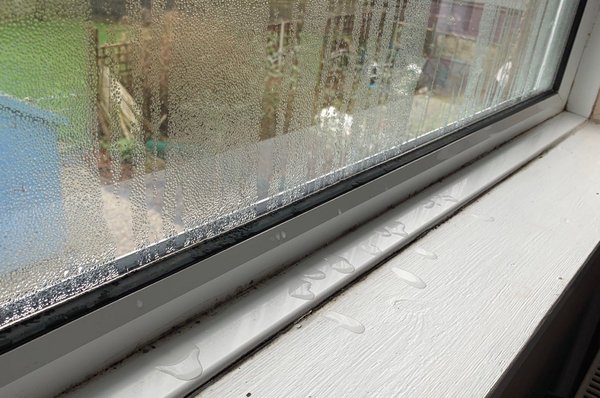
As the weather gets colder, many of us spend more time indoors with the heating on and windows closed. While this helps keep our homes warm, it can also create the perfect conditions for damp and mould to develop.
Damp and mould can affect your home and, in some cases, your health, so it's important to take simple steps to reduce excess moisture and improve ventilation. The good news is that a few small changes can make a big difference.
Let fresh air in
Everyday activities such as cooking, showering, drying clothes and even breathing create moisture in your home.
Try to:
- Open windows for a short time each day, even in winter.
- Use trickle vents if your windows have them.
- Keep air vents clear and unobstructed.
- Leave a small gap between furniture and external walls to allow air to circulate.
Use Extractor Fans
Extractor fans are one of the most effective ways to remove moisture from the air.
Remember to:
- Turn on kitchen extractor fans when cooking.
- Use bathroom extractor fans during baths and showers and leave them running for at least 15 minutes afterwards where possible.
- Report faulty extractor fans to us so we can help.
Keep Your Home Warm
Cold surfaces are more likely to attract condensation, which can lead to mould growth.
Where possible:
- Maintain a steady temperature throughout your home.
- Heat all rooms regularly, even those you use less often.
- Avoid letting your home become very cold before turning the heating back on.
Dry Clothes Carefully
Drying clothes indoors can release a surprising amount of moisture into the air.
To reduce the risk:
- Dry clothes outside whenever possible.
- If drying indoors, use a well-ventilated room and close the door.
- Open a window slightly or use an extractor fan.
- Avoid drying clothes directly on radiators.
Wipe Away Condensation
If you notice water droplets on windows or windowsills, wipe them away as soon as possible. This simple habit can help prevent moisture building up and reduce the chance of mould developing.
Look Out for Early Signs
Treating mould early can stop it spreading.
Keep an eye out for:
- Black spots on walls, ceilings or around windows.
- Musty smells.
- Peeling wallpaper or paint.
- Persistent condensation.
If you spot mould, clean affected areas using an appropriate mould-cleaning product.
We're here to help
Head over to our damp and mould page for more advice and to watch some videos featuring our Customer Voice group.
If you're experiencing persistent damp, mould or condensation problems in your home, please let us know as soon as possible. Our team can work with you to identify the cause and help find a solution.
You can contact us in any of the usual ways – telephone, My Coastline, webform or email.