
In his latest opinion piece, CEO of Coastline Allister Young talks about the science behind predictions – and why we should often take them with a pinch of salt
If there’s one thing this week is likely to remind us, it’s that predicting the future is a tricky business. We all like to think we can see what’s coming, but the evidence says otherwise. As the famous physicist Niels Bohr said: “predictions are difficult, particularly about the future”.
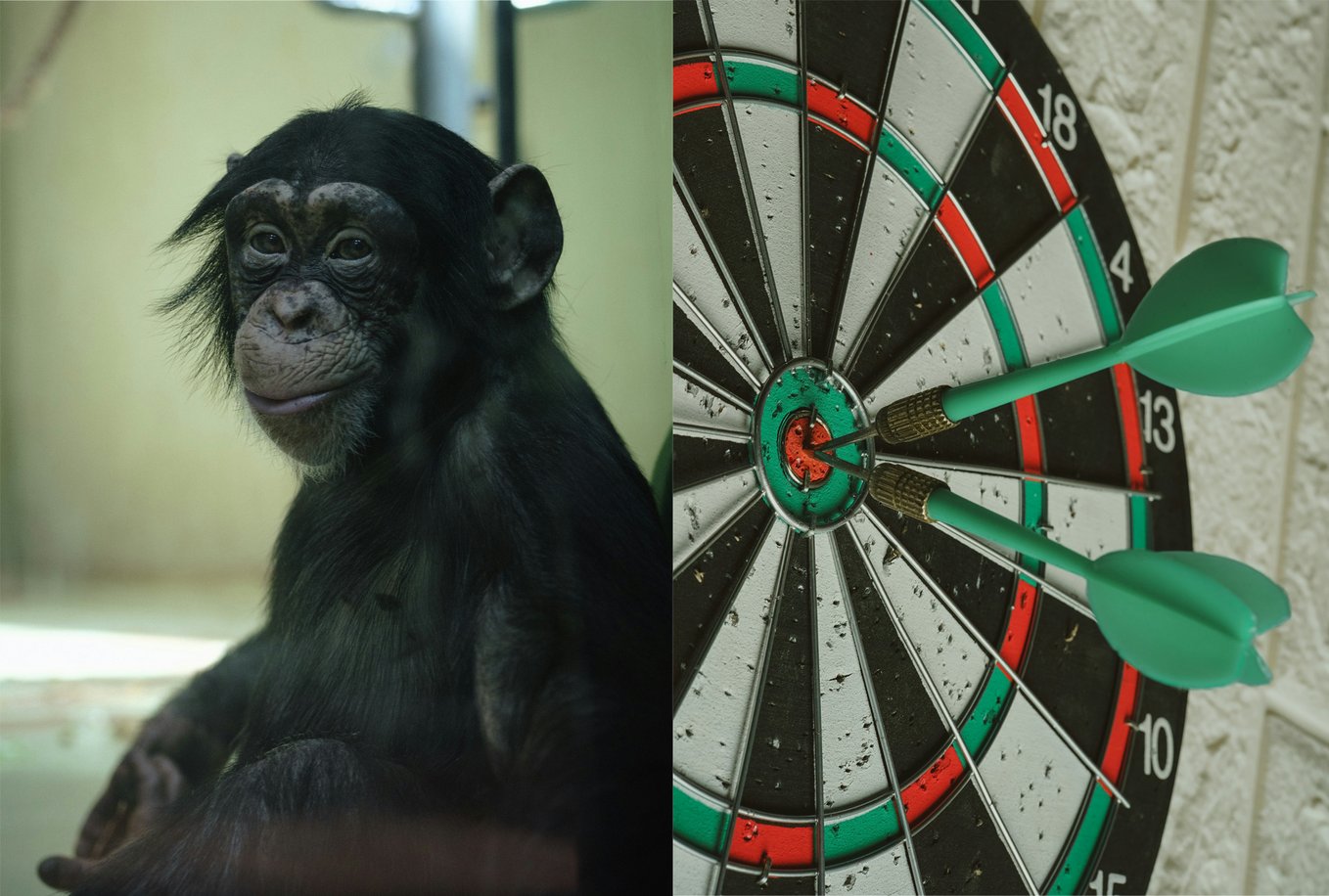
The US psychologist Philip Tetlock spent decades studying expert predictions. His landmark research through the ‘Good Judgement Project’ tracked 28,000 forecasts from political and economic experts over 20 years. The result? Experts were barely better than chance. Tetlock famously said that a dart-throwing chimpanzee would often outperform them.
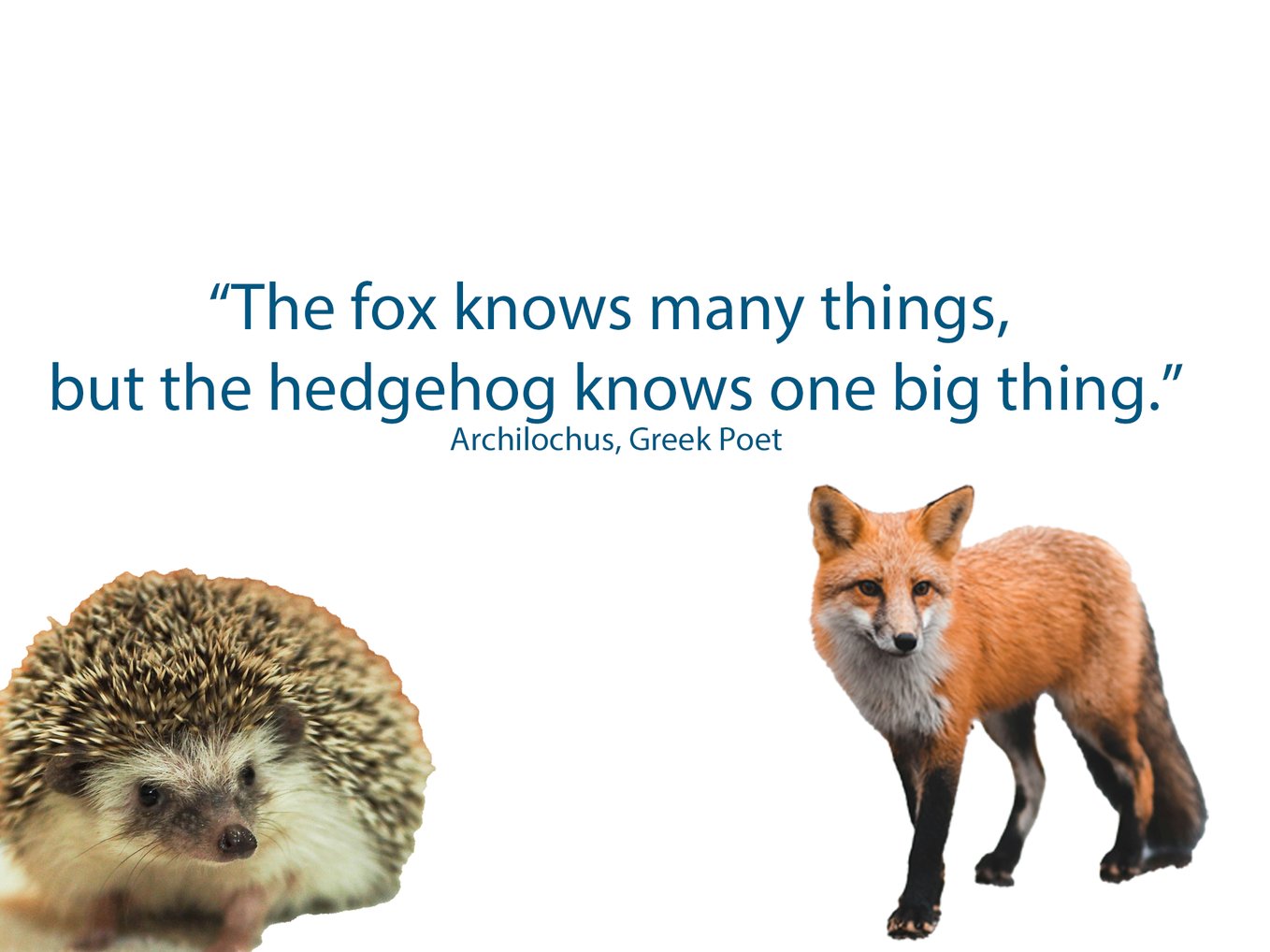
And what really stood out was why some people were worse than others. Tetlock divided forecasters into what he called “hedgehogs” and “foxes”. Hedgehogs – those with one big idea and lots of confidence – were consistently the poorest performers. Foxes – those who stayed curious, updated their views, and admitted uncertainty – did far better. In other words, humility beats hubris, admitting that you don’t know is smarter than pretending that you do.
It gets worse for the loudest voices. Research found that the more famous an expert is, the less accurate their predictions tend to be. Another study adds a twist: the more confident someone is about their prediction, the less likely it is to be right. Confidence, it seems, is not a reliable guide to truth.
This pattern even shows up online. A recent analysis of thousands of LinkedIn posts found something fascinating: the people most likely to get it wrong weren’t just assertive – they were often using predictions as a form of self-promotion. The more a forecast was wrapped up in personal branding and definitive language, the less likely it was to be accurate. So next time you see a bold prediction in your social media feed, especially one that feels like a sales pitch for the person making it, take it with a pinch of salt.
Why does this matter now? Because this Wednesday, on 26 November, the UK Government will announce its budget. For weeks, predictions have been flying around: tax changes, spending priorities, economic outlooks. Yet even the Office for Budget Responsibility (OBR) has had to revise its long-term forecasts repeatedly, most notably recently around UK productivity forecasts, creating headaches for the Chancellor. If the OBR struggles to predict the future, what chance do the rest of us have?
Tetlock’s work offers a useful lesson: the best forecasters aren’t the loudest or most confident. They’re the ones who stay humble, update their views when new evidence comes in, and admit what they don’t know. That’s a mindset worth adopting.
So what’s the takeaway for Coastline? We can’t predict every twist and turn in the economy or housing policy. But we can be clear about what we stand for and where we’re heading. Our vision – ending the housing crisis in Cornwall – doesn’t change. Our plans – the Coastline Plan 2025–30 and its supporting strategies – give us a steady course through choppy waters. That clarity helps us navigate uncertainty without pretending we can see the future.
The future will surprise us – but if we stay true to our purpose, we’ll be ready.